First Collection · Five Essays
Ọ̀rọ̀ Ẹni
Conversations with Self
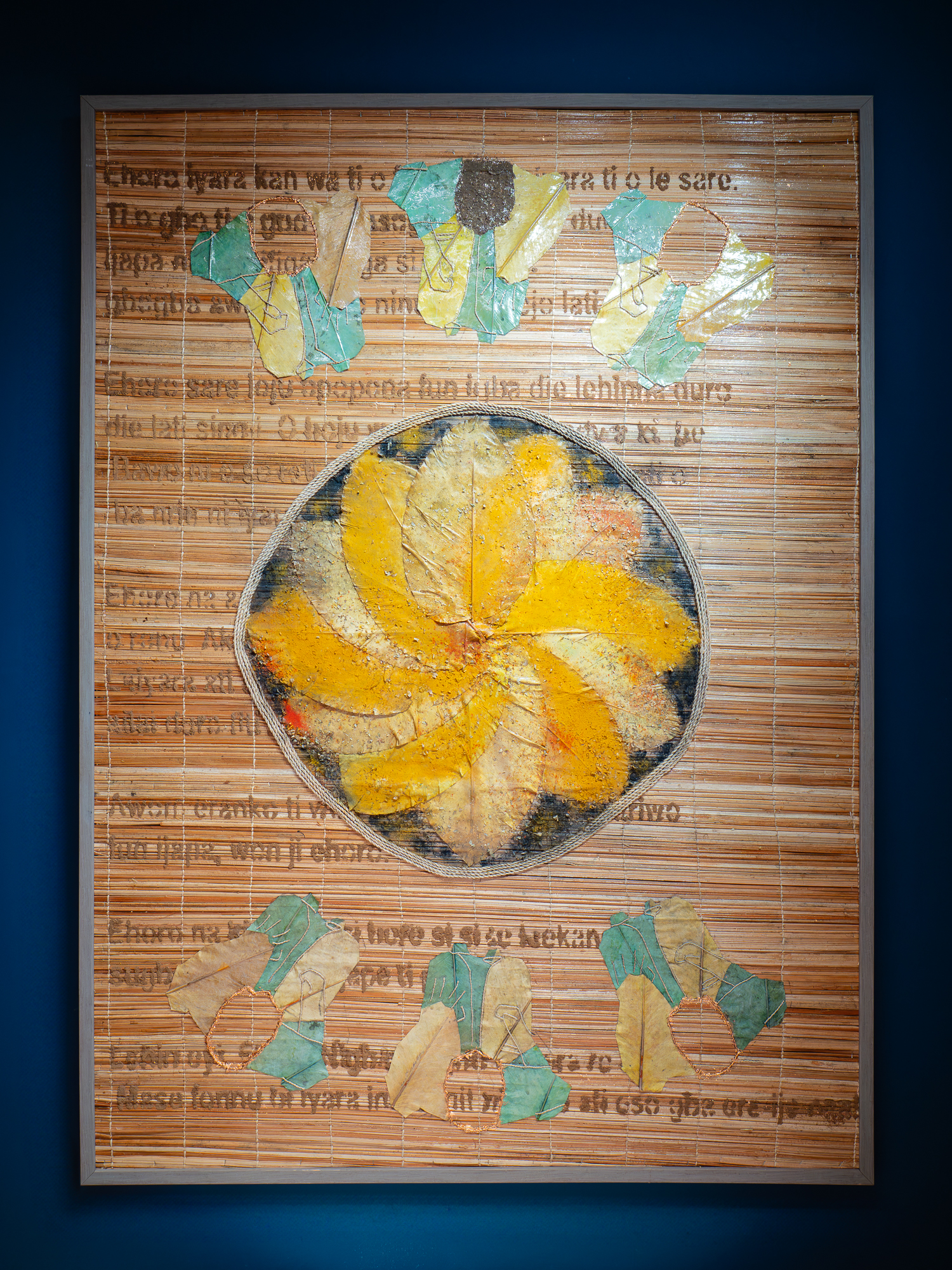
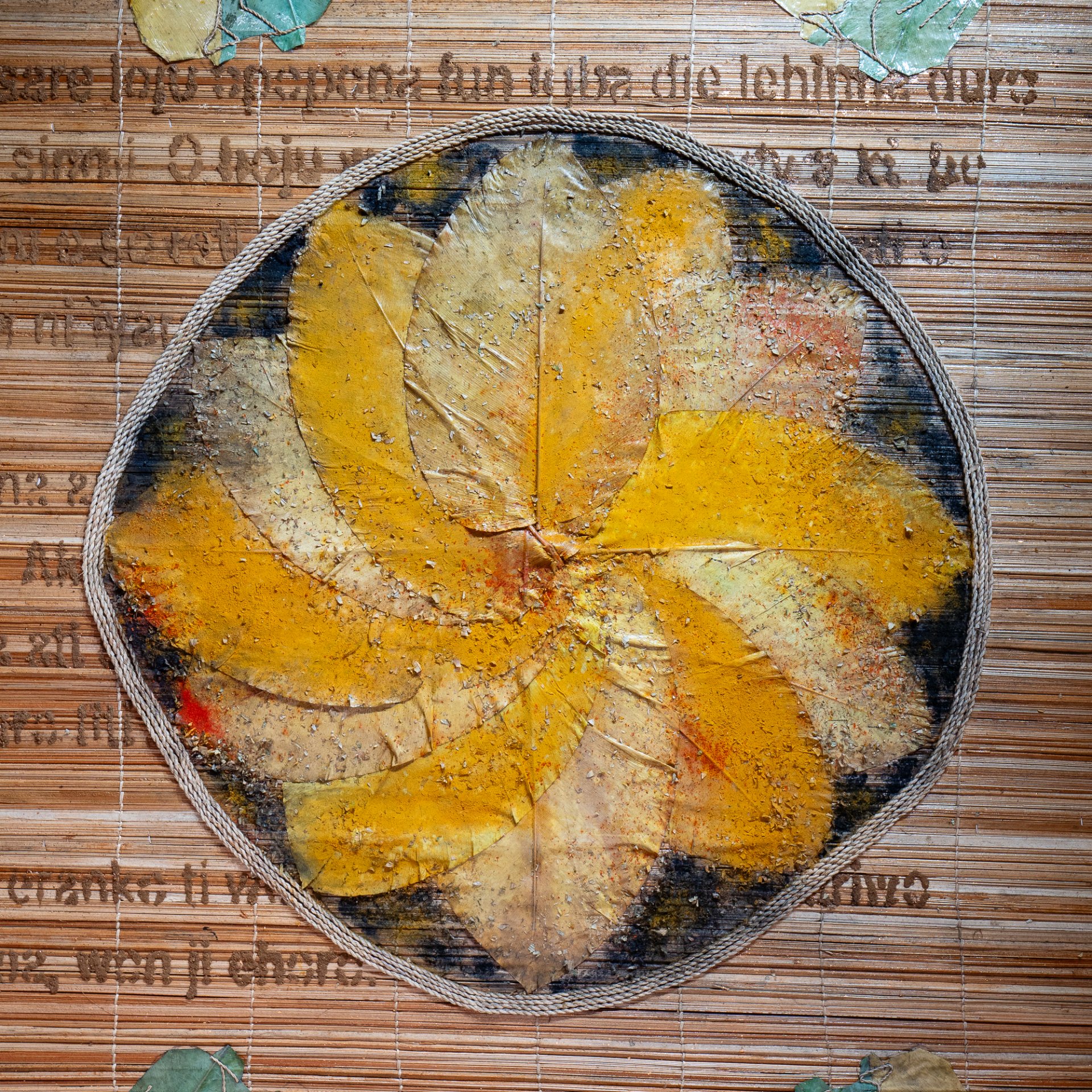
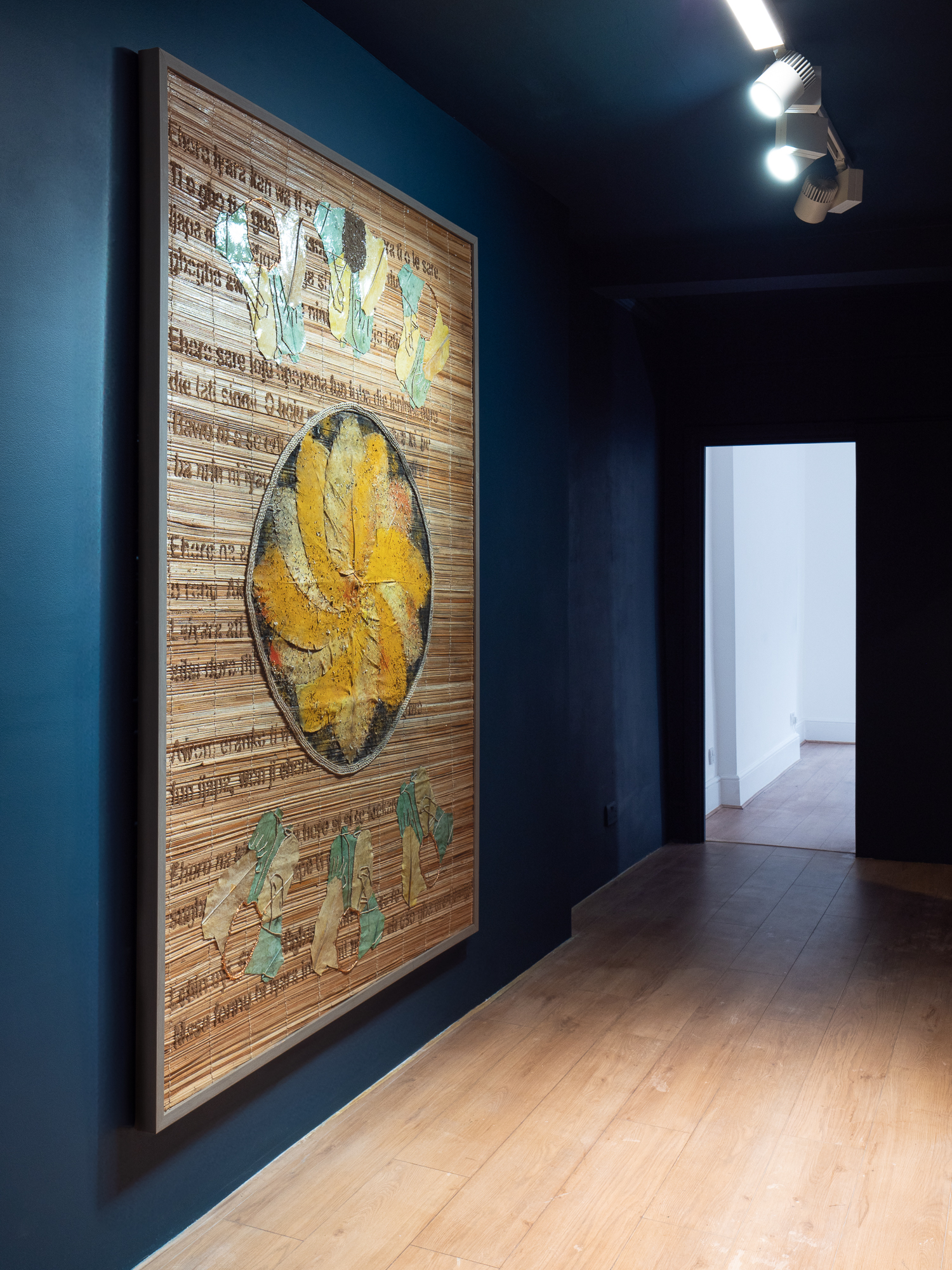
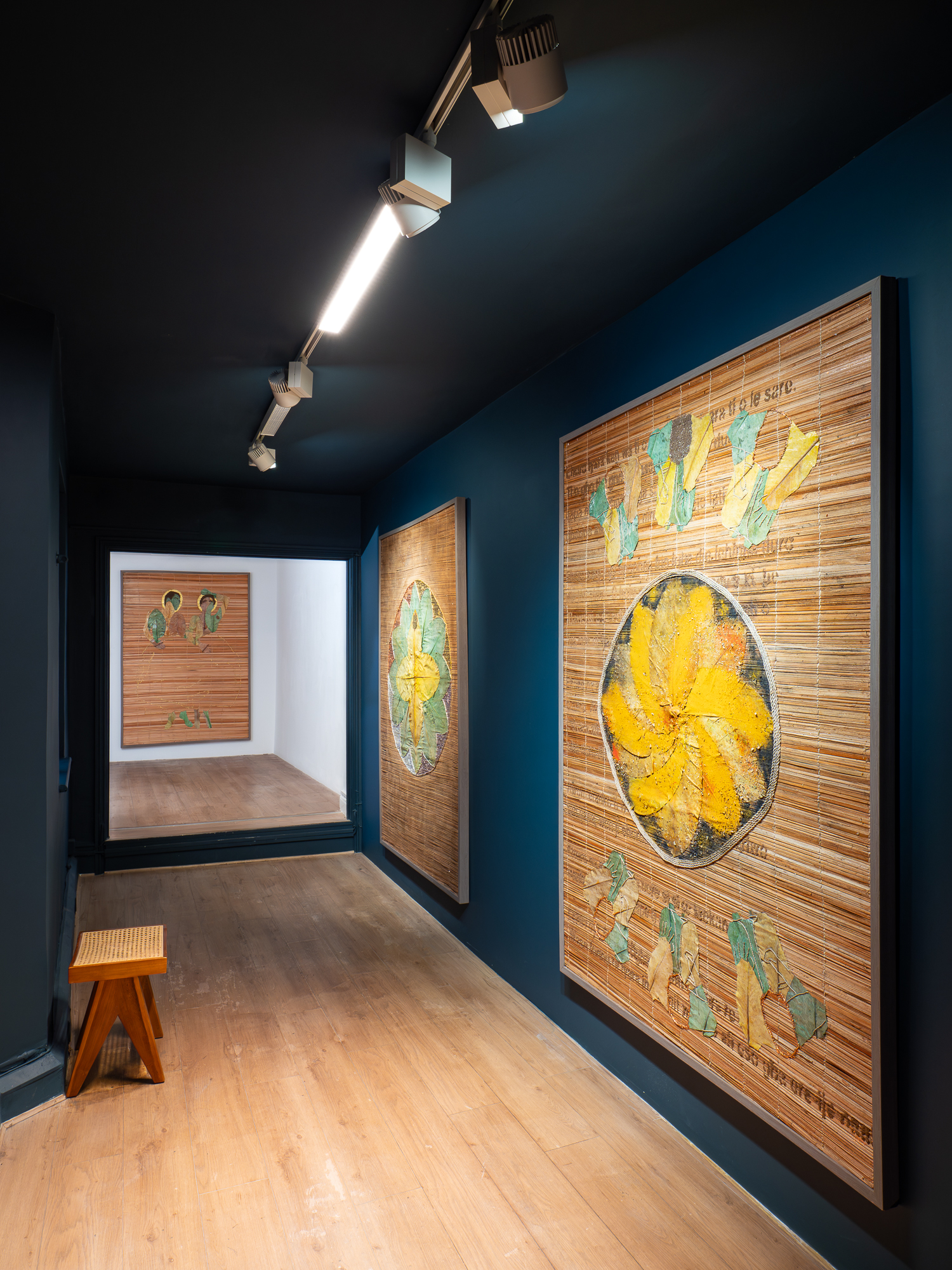
A collection of five artistic essays exploring the fundamental human experiences that connect us all — created using Thaumatococcus Daniellii in various stages of decay, stitched together with Raffia reed on Vertisol.
Àkókò
Time, Location and Season
"Ìgbà ò lọ bí òrèré" — Time does not flow like a straight, endless path.
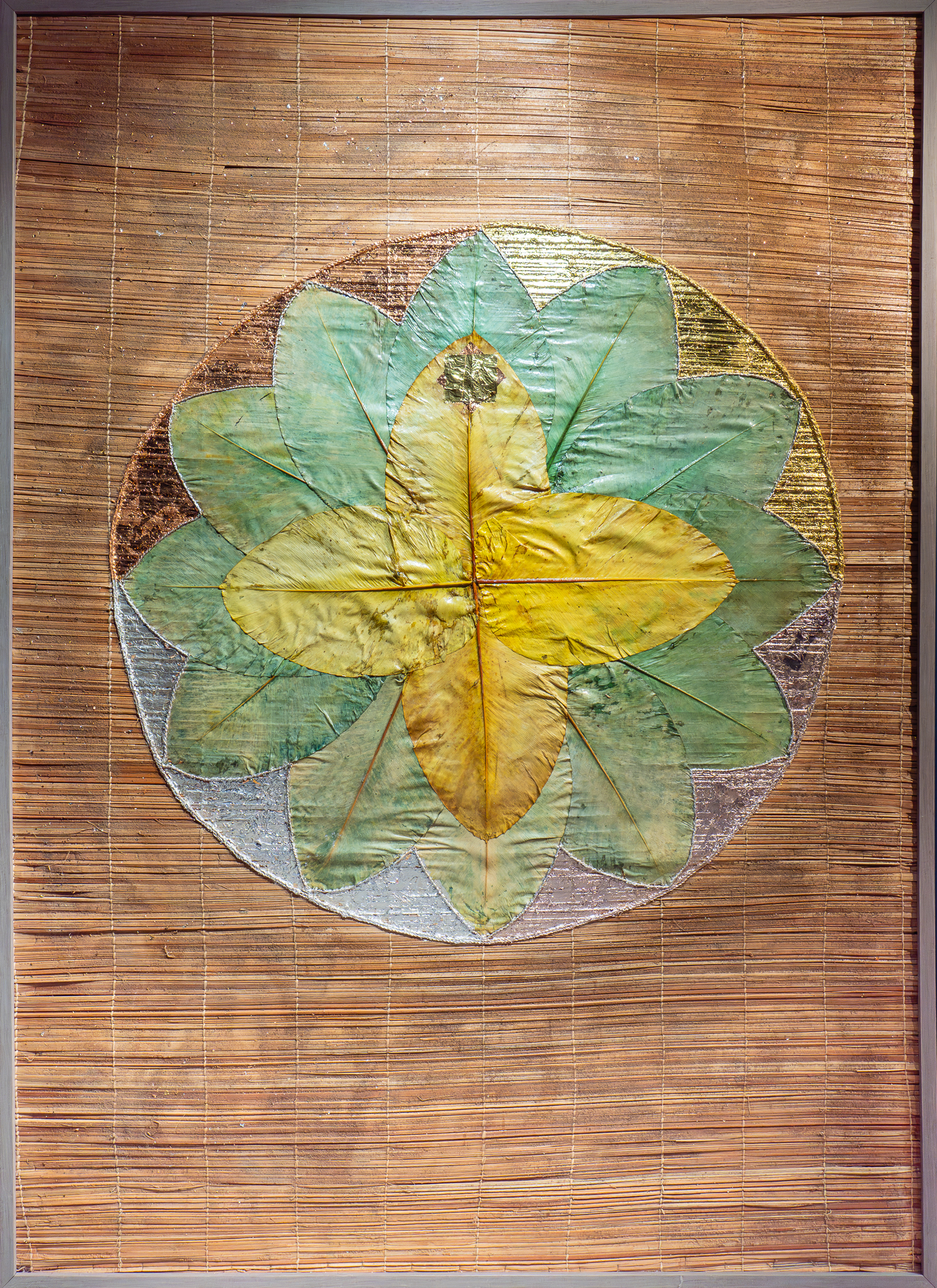
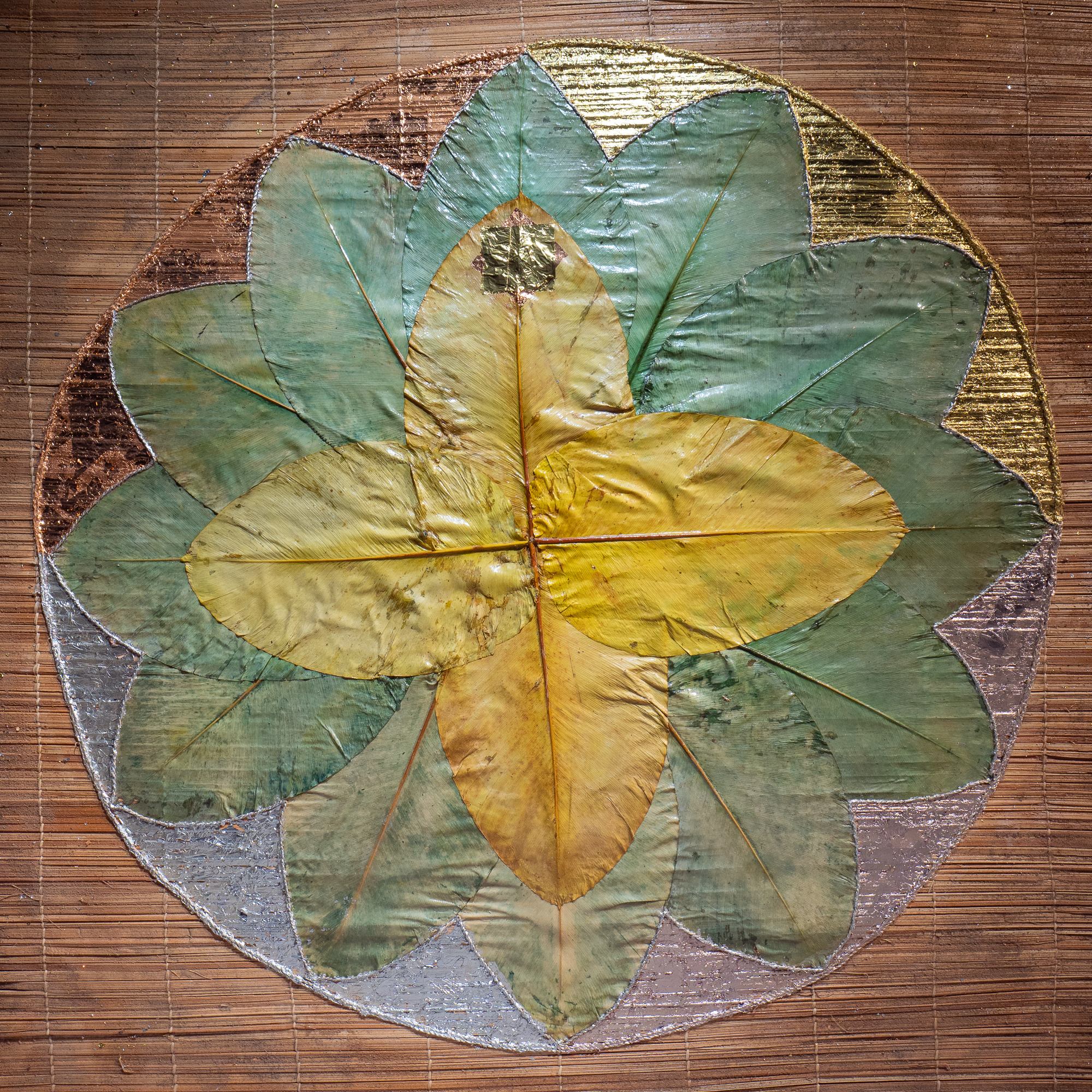
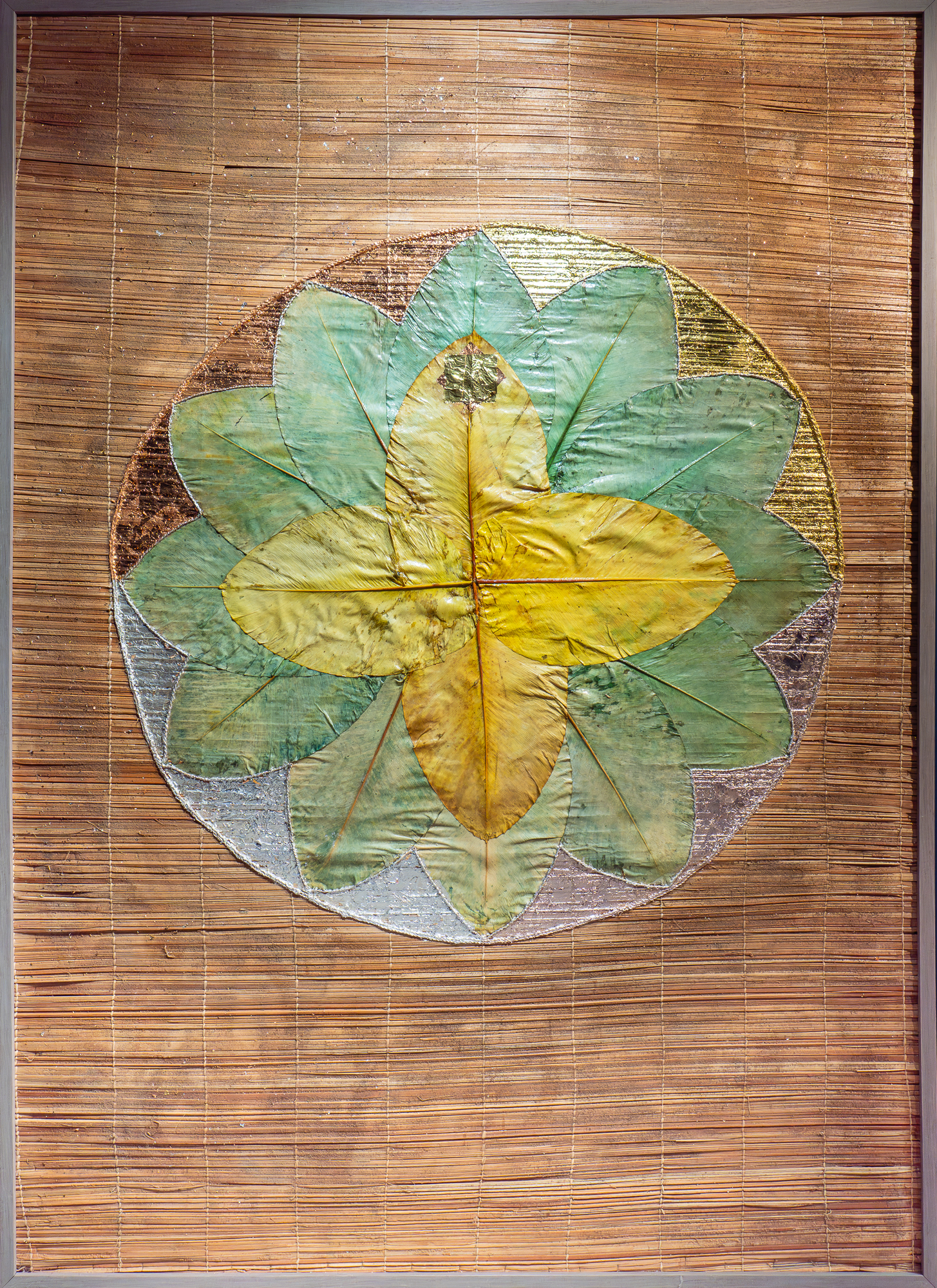
From the first breath to the last, time shapes our understanding of the world. The passage of time is reflected in the very materials of this work — Thaumatococcus Daniellii leaves that transition from vibrant green to golden brown, mirroring the human lifecycle. In Yoruba, Àkókò means time — here depicted by the 12 leaves as each hour, Location by the leaves as the four cardinal points, and Season as the 4 seasons that most of the planet has, depicted in Gold, Rose Gold, Silver and Bronze leaf. Àkókò reminds us that every moment is both a beginning and an ending, that decay is not destruction but transformation.
The Twelve Leaves of Àkókò
Spring·Ìgbà Ìrúwé
Gold — the season of renewal, when life emerges from the earth.
Click a leaf or season to explore
Ìtàn
History / Stories
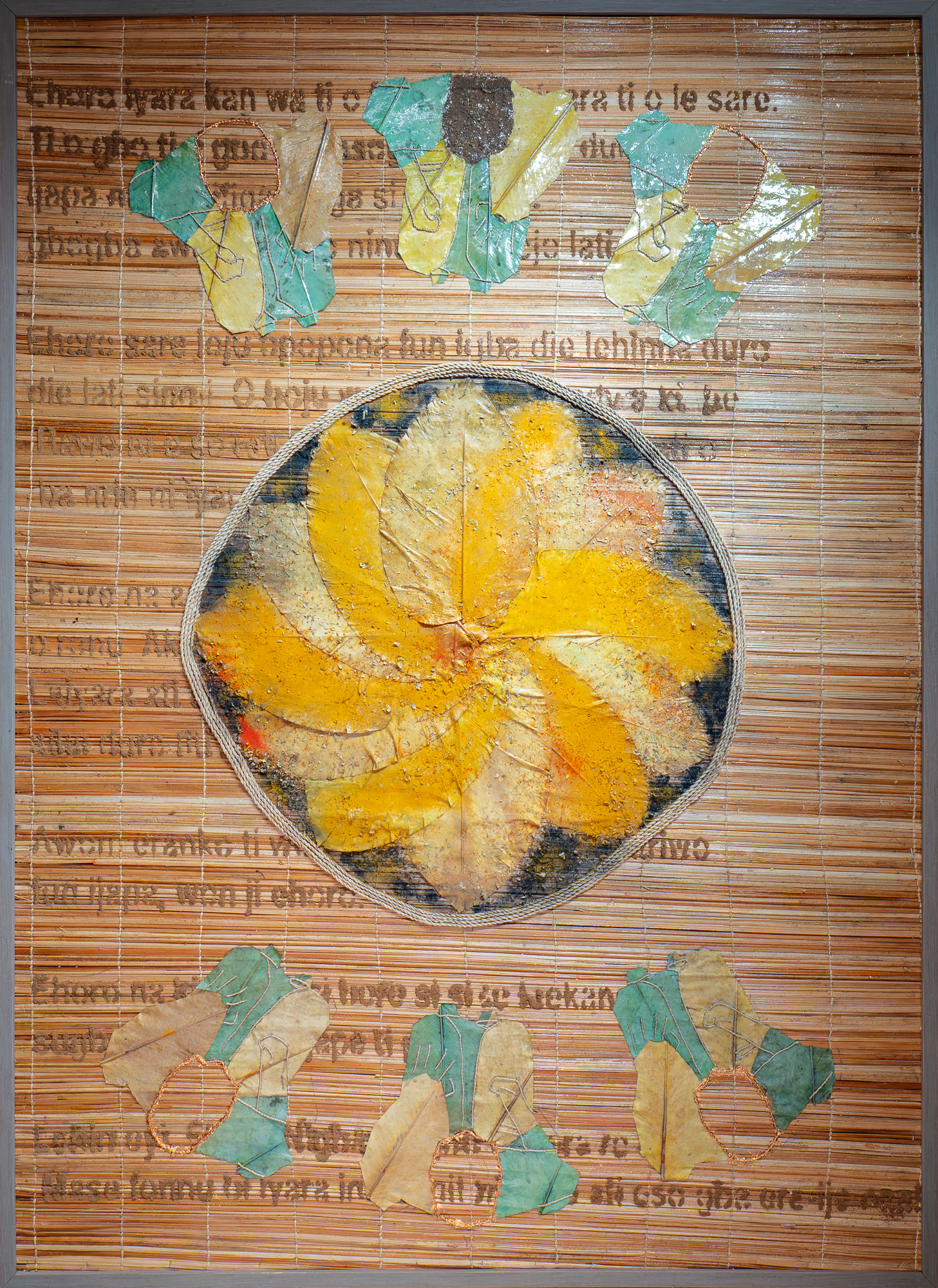
"Bí ọmọ ò bá tàn, à bá ìtàn" — If a child does not witness history, the child will hear tales; tales are the history of the people.
Ìtàn explores the weight of the past and how narratives — both personal and collective — shape our present understanding. The piece portrays five children sitting around a campfire being told the story of the race between the tortoise and the hare. The elder sits at the top, narrating the story to them in Yorùbá — depicted with a full head of knowledge, while the children are gradually absorbing it. Written in Vertisol on the woven mat is this very tale, one of the most translated stories on Earth, belonging to every culture and every generation. Through the layered textures of natural materials, this work speaks to the accumulation of human experience, the stories we inherit, and those we choose to tell. Every leaf carries the memory of its growth, every stitch records a decision made by the artist's hand.
Ìbàlòpọ̀
Intimacy
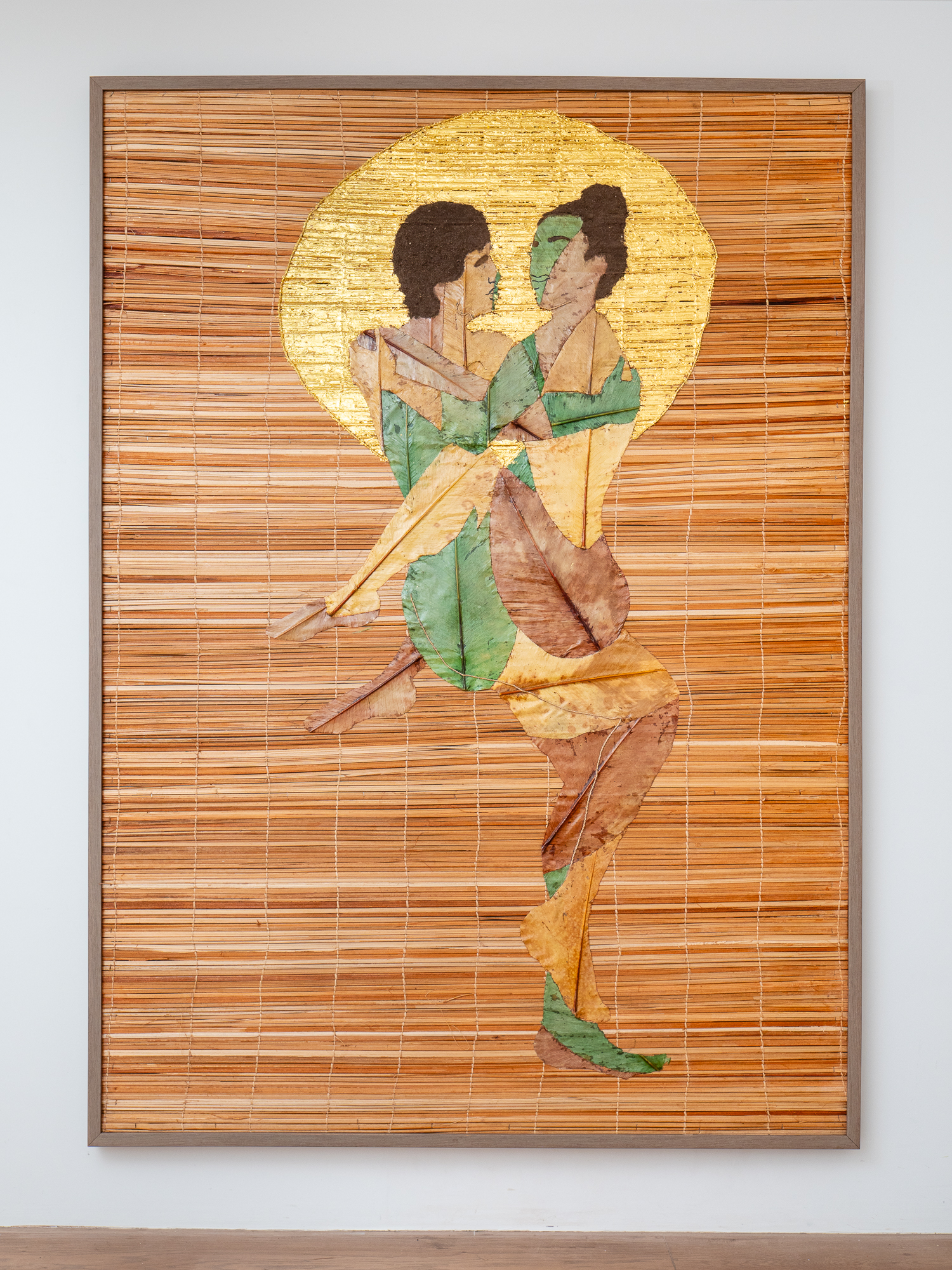
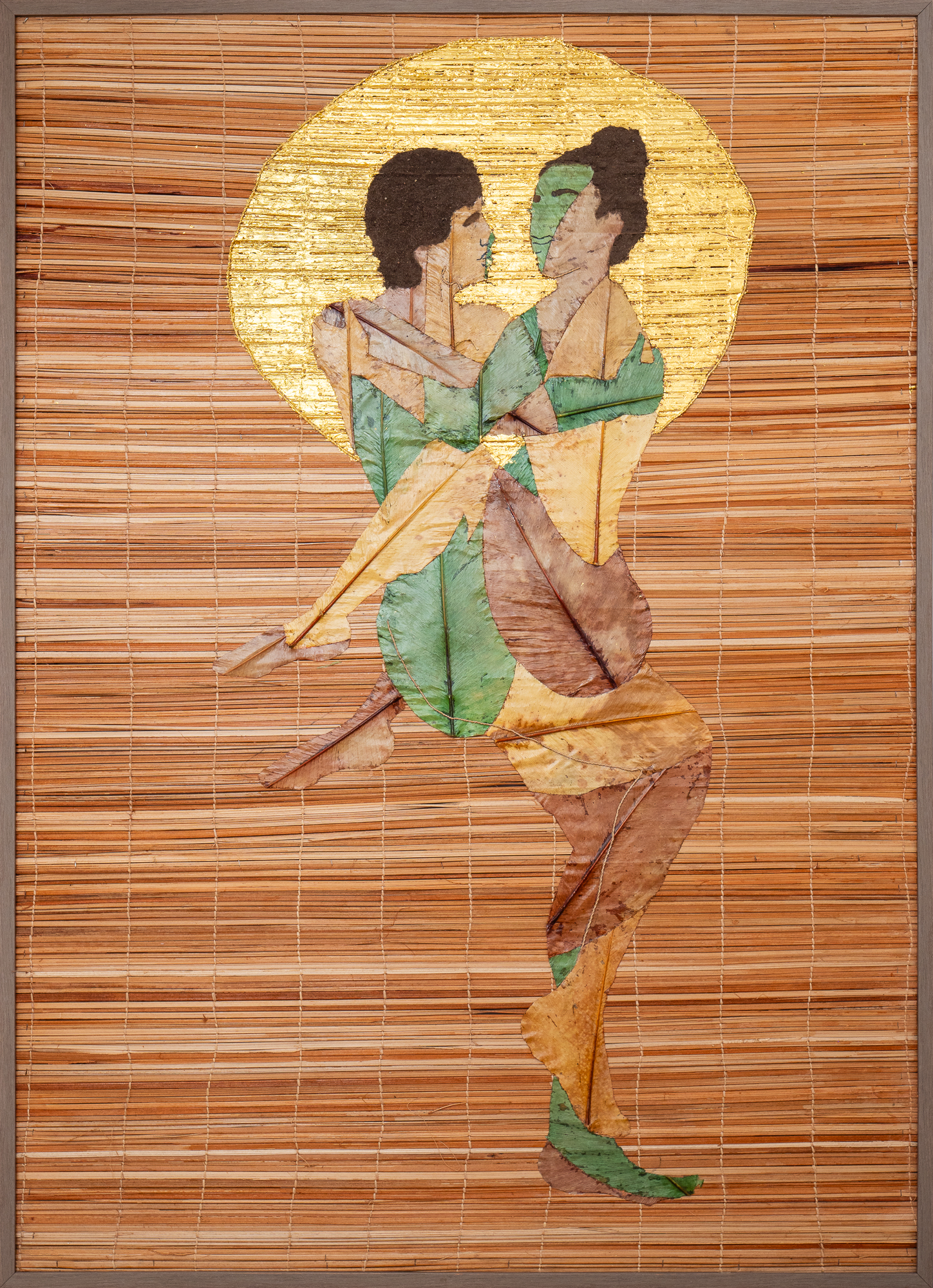
"Ẹ̀dá ò lè gbé ayé ṣoṣo" — A human being cannot live in this world alone.
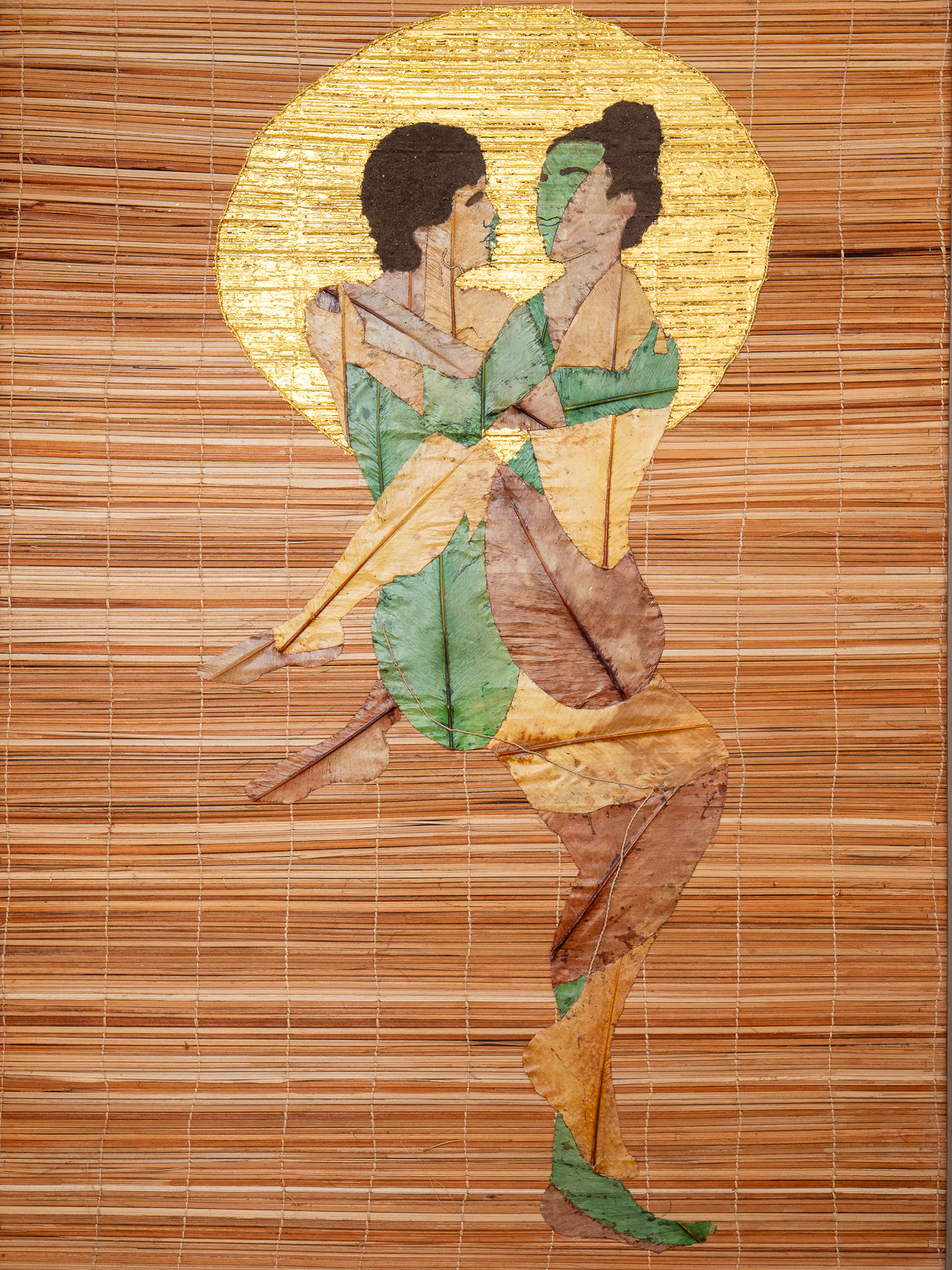
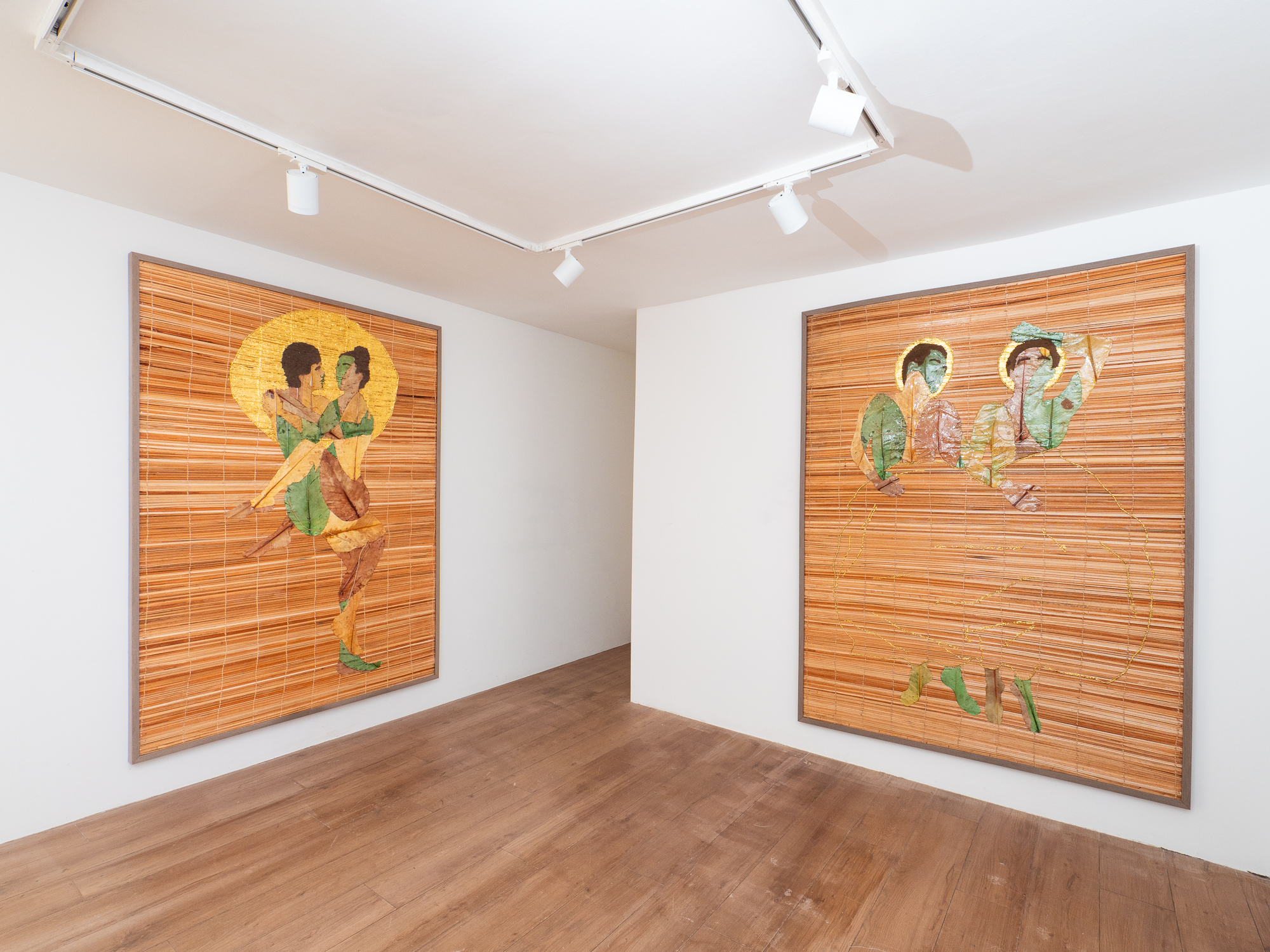
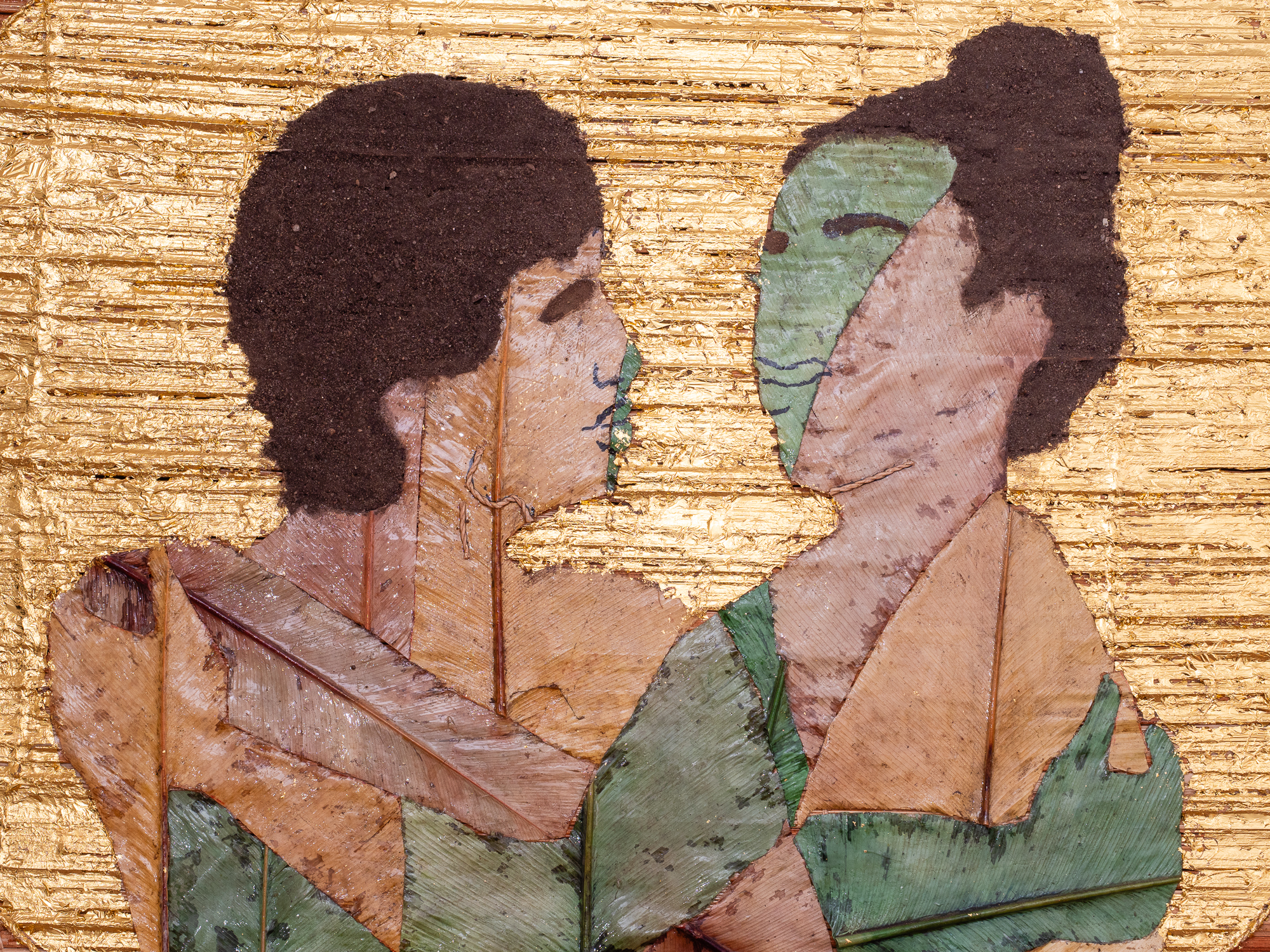
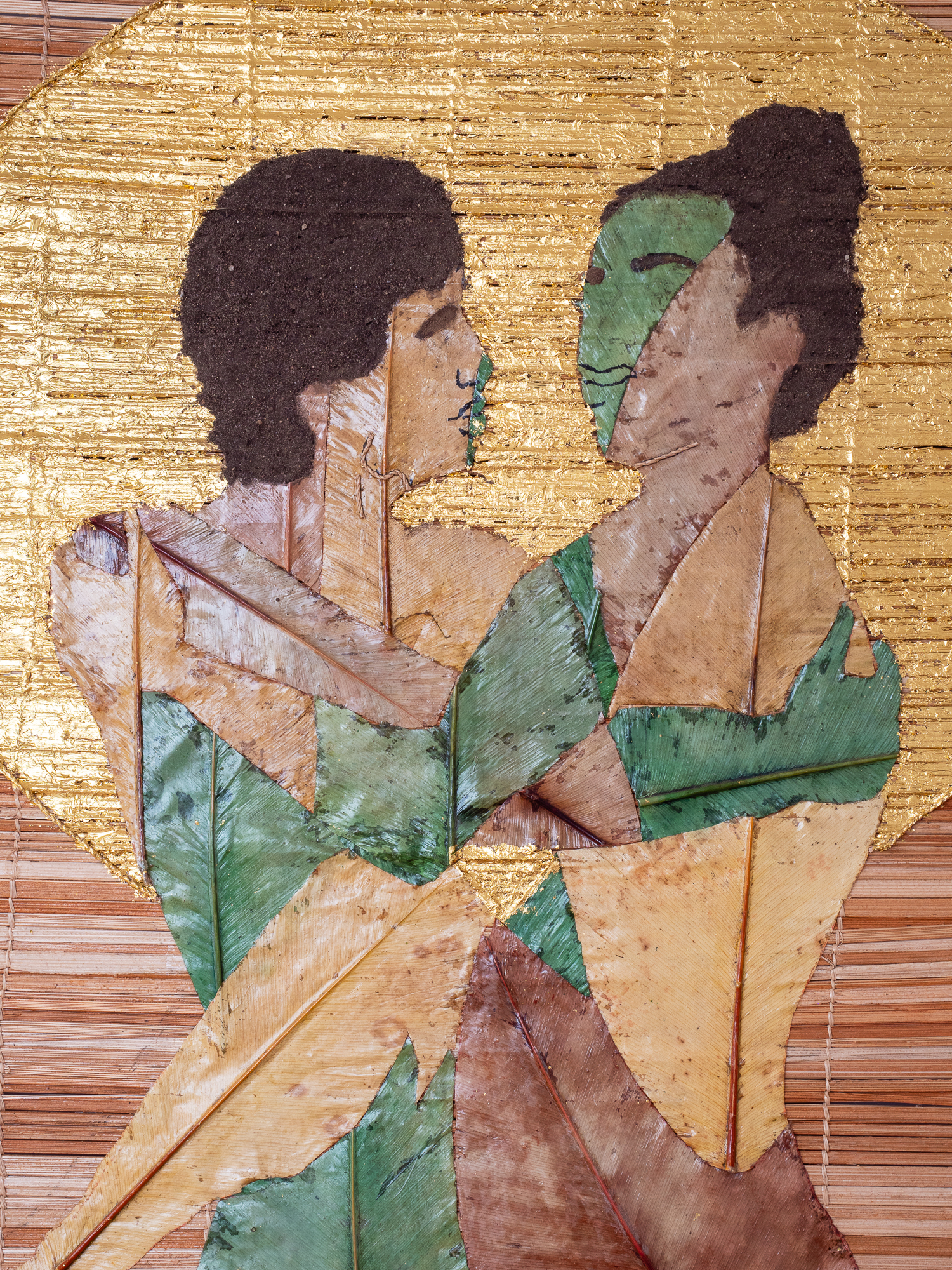
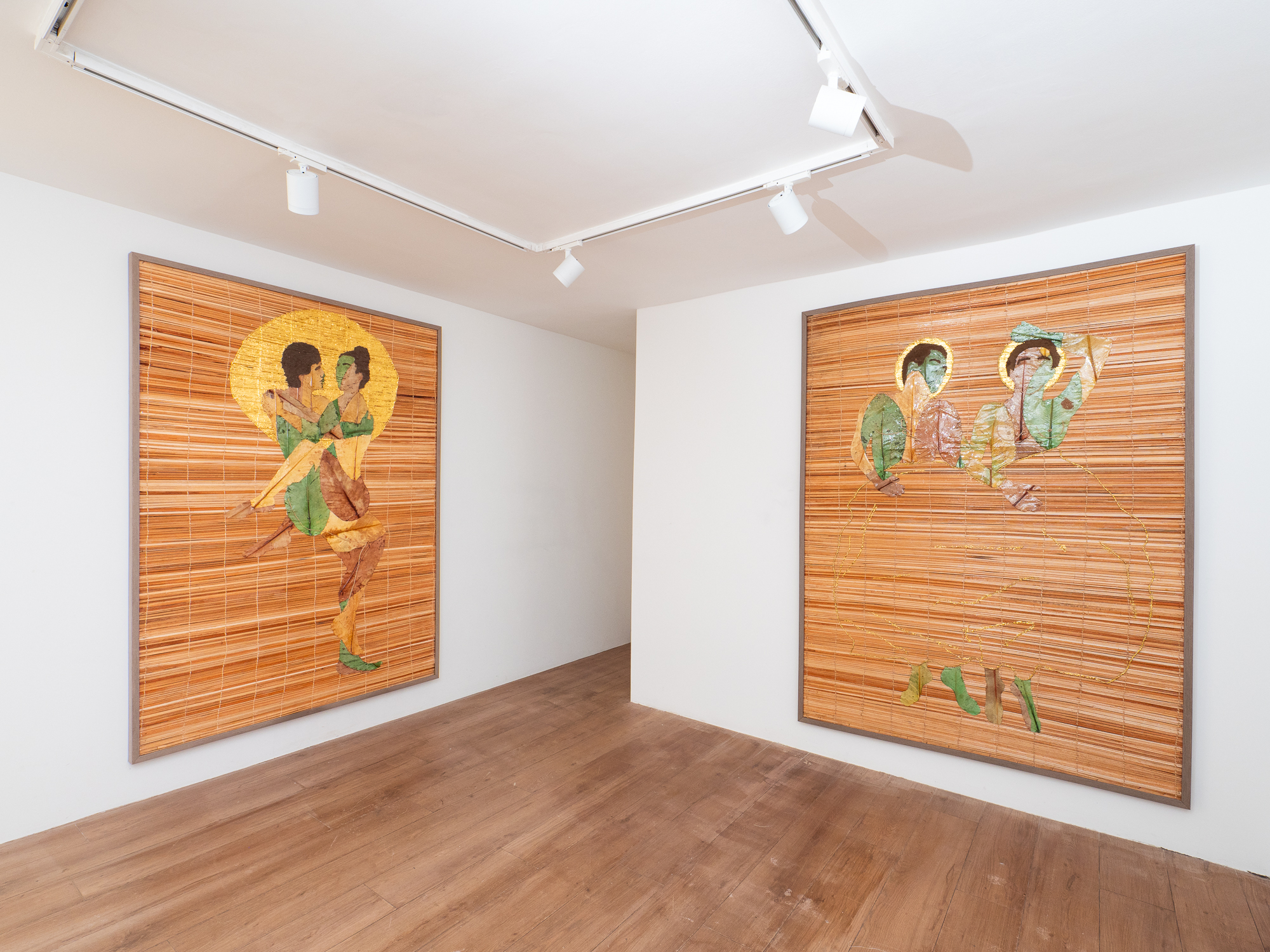
It is the necessity of connection, vulnerability, and the energy that flows between human beings. Ìbálòpọ̀ depicts two figures formed from leaves in an intimate exchange of life, crowned with a golden halo representing the exchange and combination of energy — elevating the act of human connection to something sacred and divine. The work asks us to consider intimacy not merely as physical closeness but as the profound spiritual exchange that occurs when two souls meet. Through this intimate act Life is formed; there is no human on earth that is not created through the act of sexual congress — this is how family comes to be.
Àlá
Dreams
"Àlá kò ní ẹ̀rí" — Dreams have no witness.
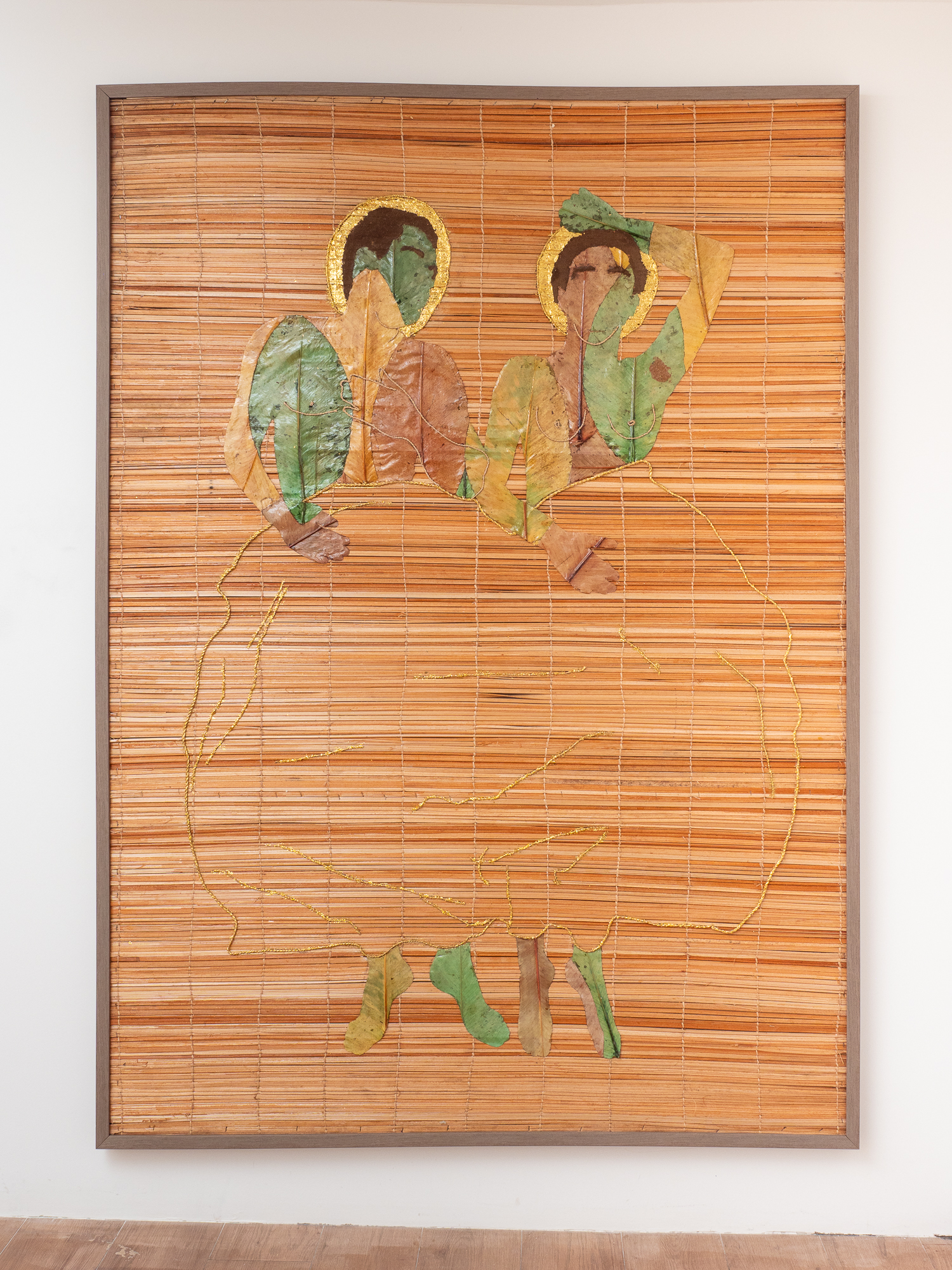
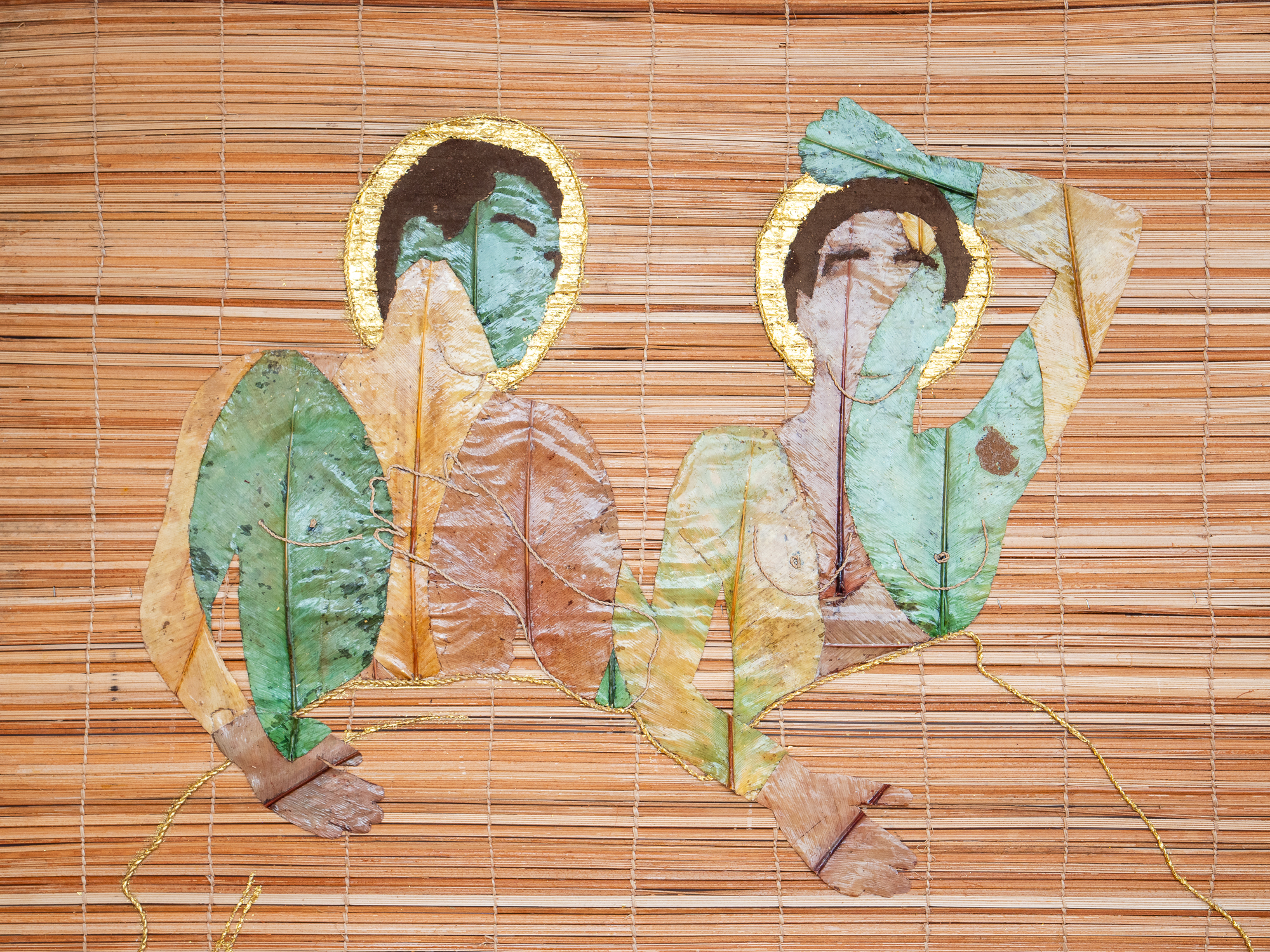
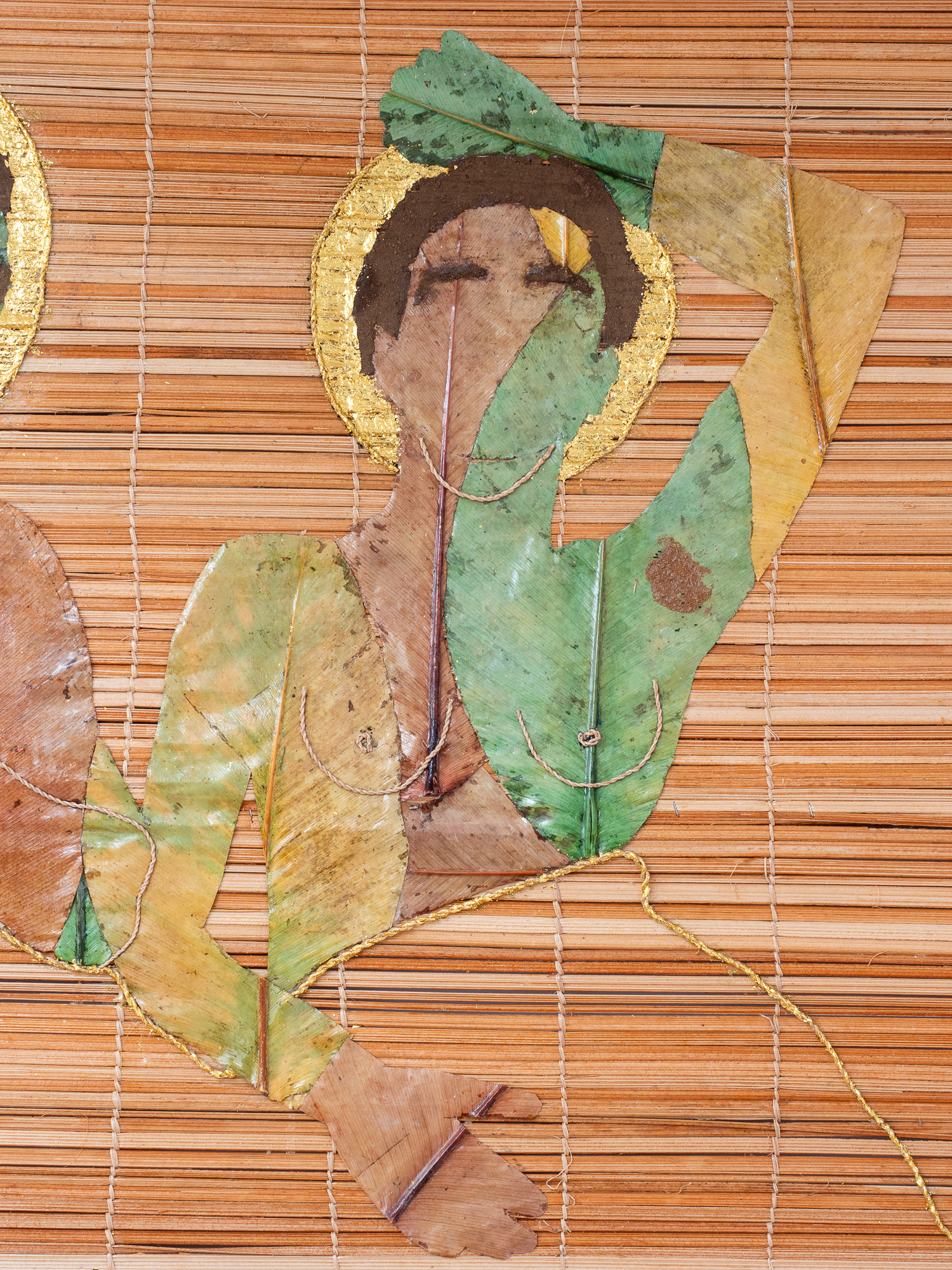
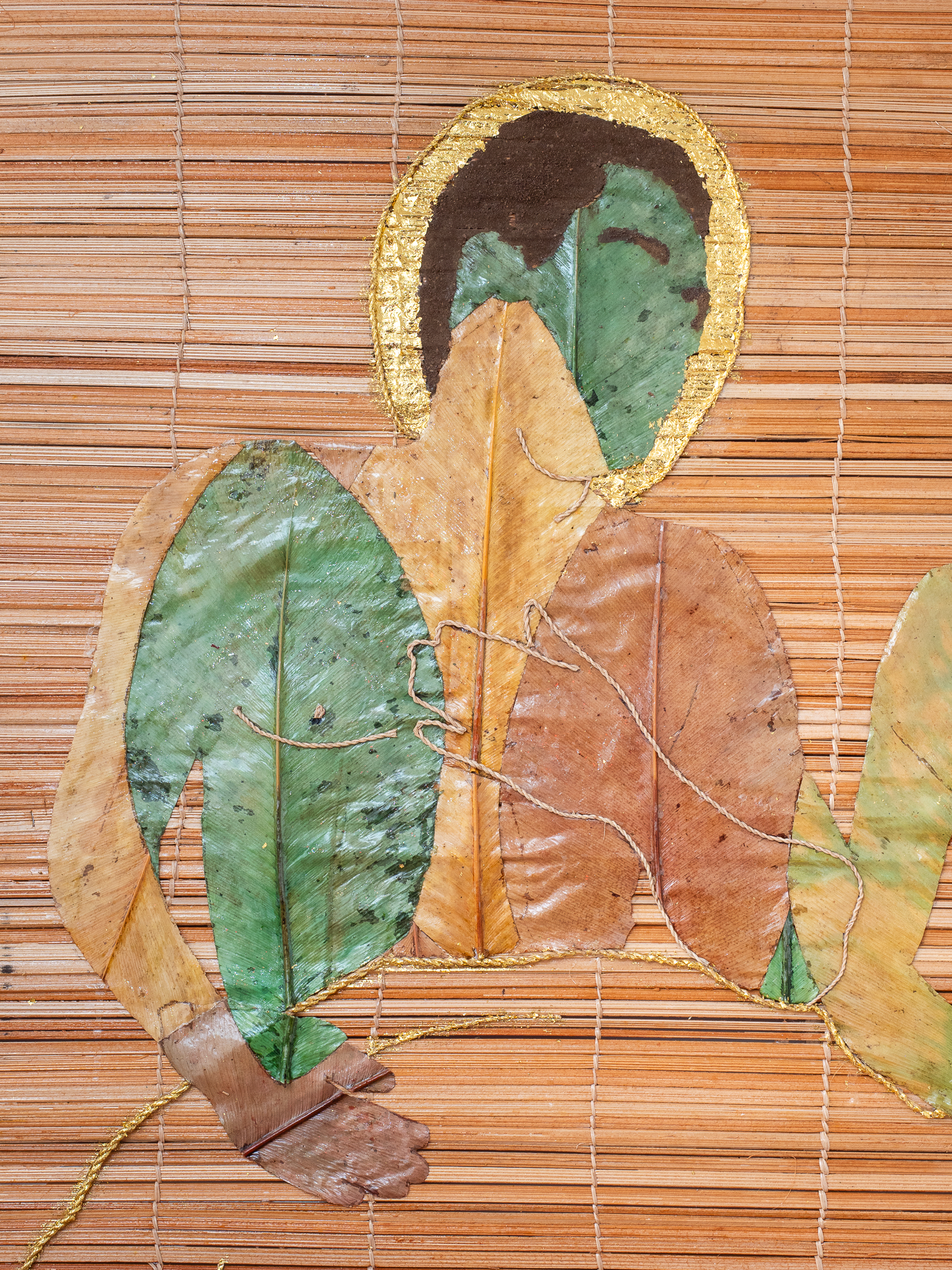
Àlá depicts the peace of being unconscious — that sacred state where our minds solve problems, where we align our conscious, subconscious and super-conscious minds. We grow through dreams. A by-product of this vulnerable state is the ability to have a shared dream with the person sleeping beside you. It is a dream in itself to be able to share one's most vulnerable state with another person, as anything can happen to you while you are sleeping. The work asks us to honour rest not as absence but as one of the most profound acts of trust and transformation we experience as human beings.
Ónje
Food
"Ajojẹ o dùn bí ẹnìkan ọni" — Food shared is sweeter than food eaten alone.
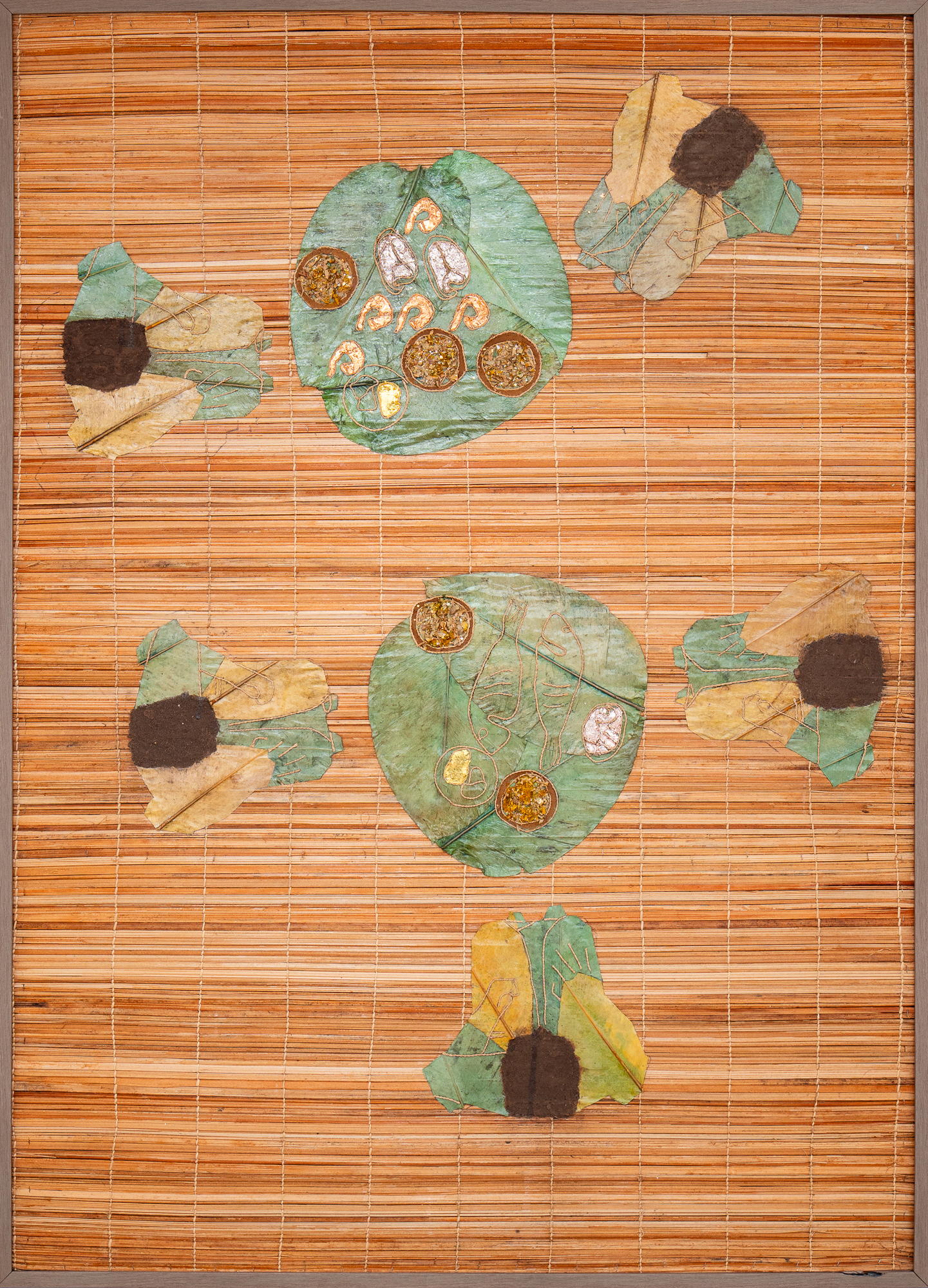
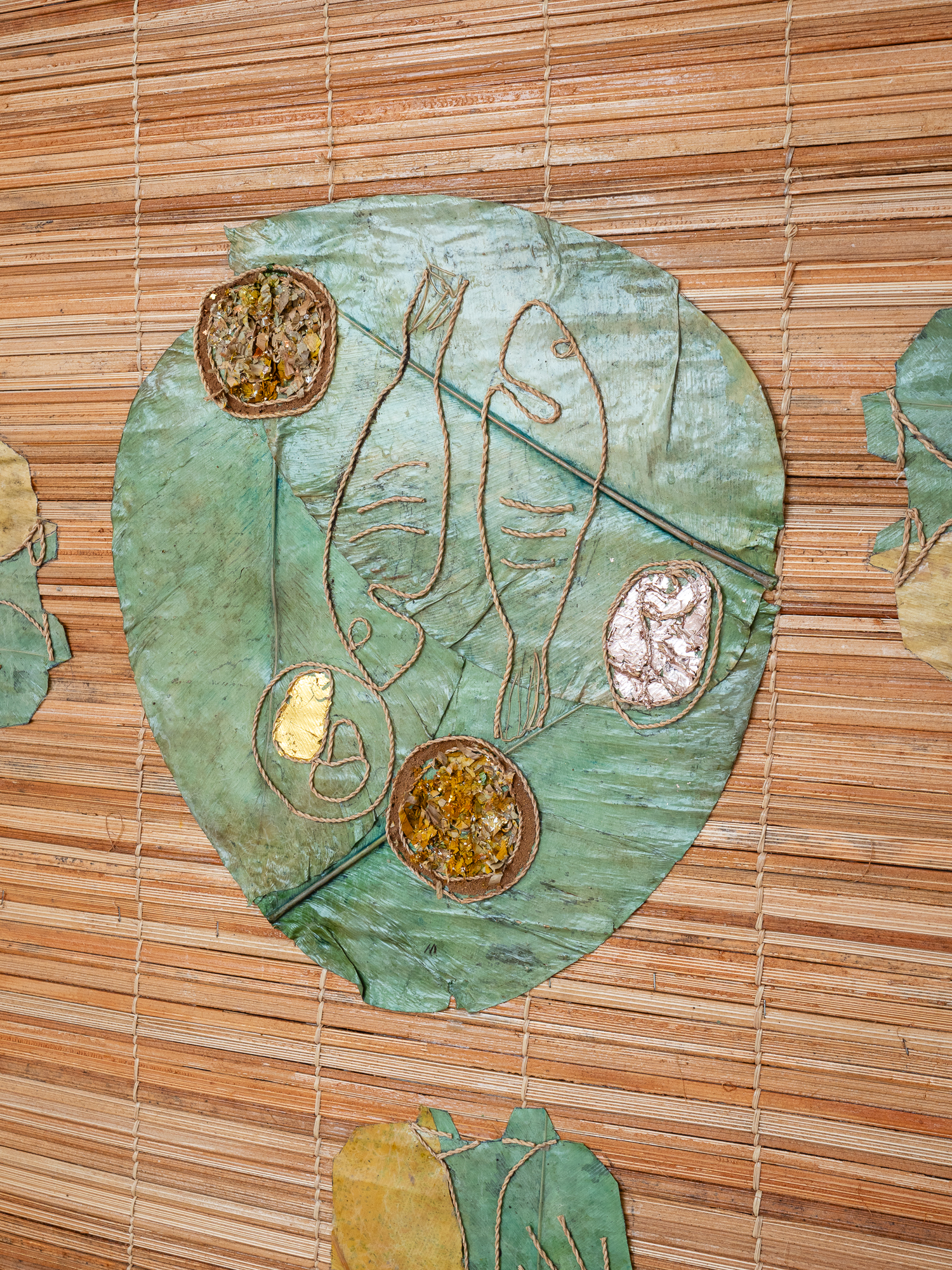
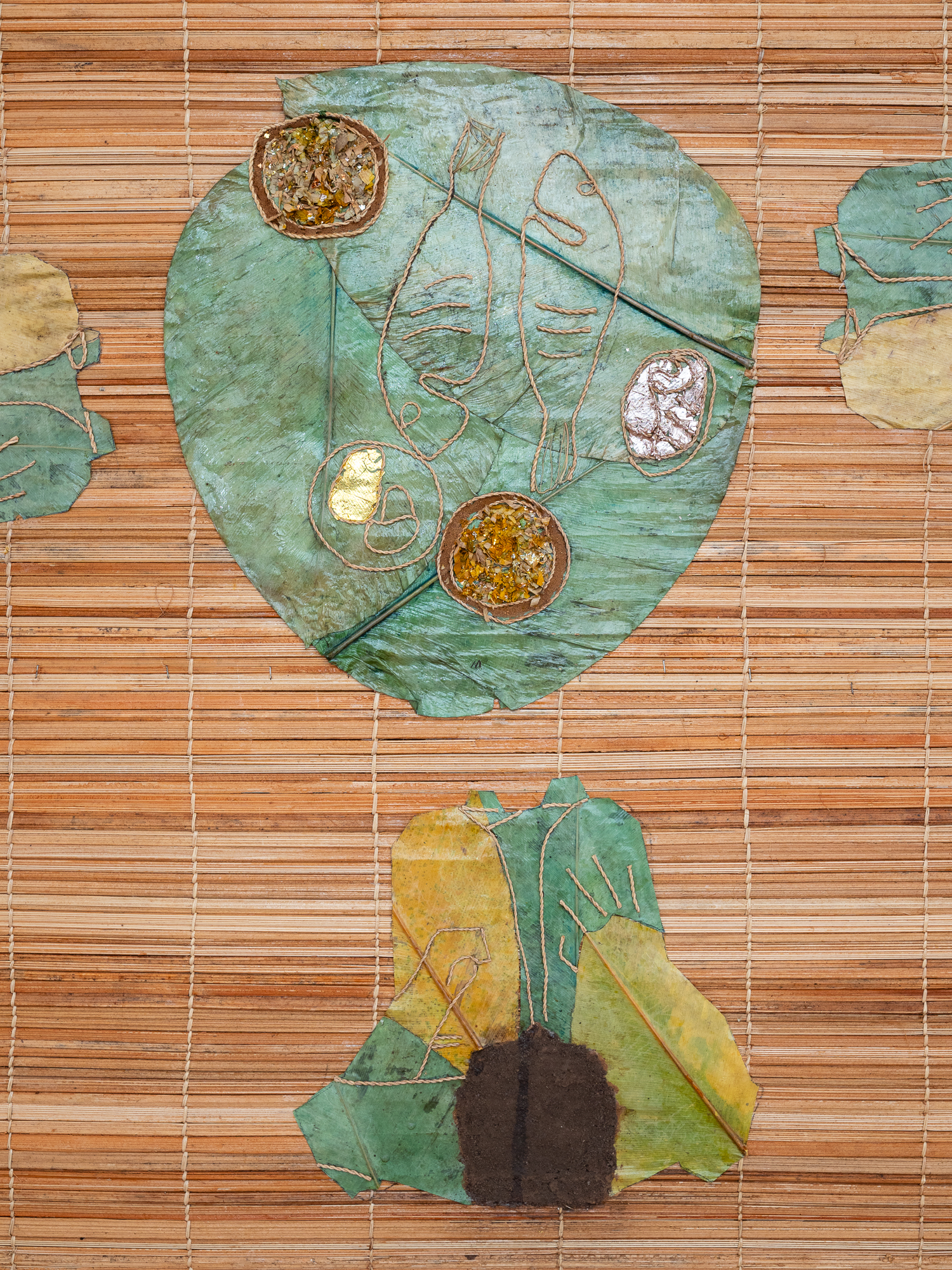
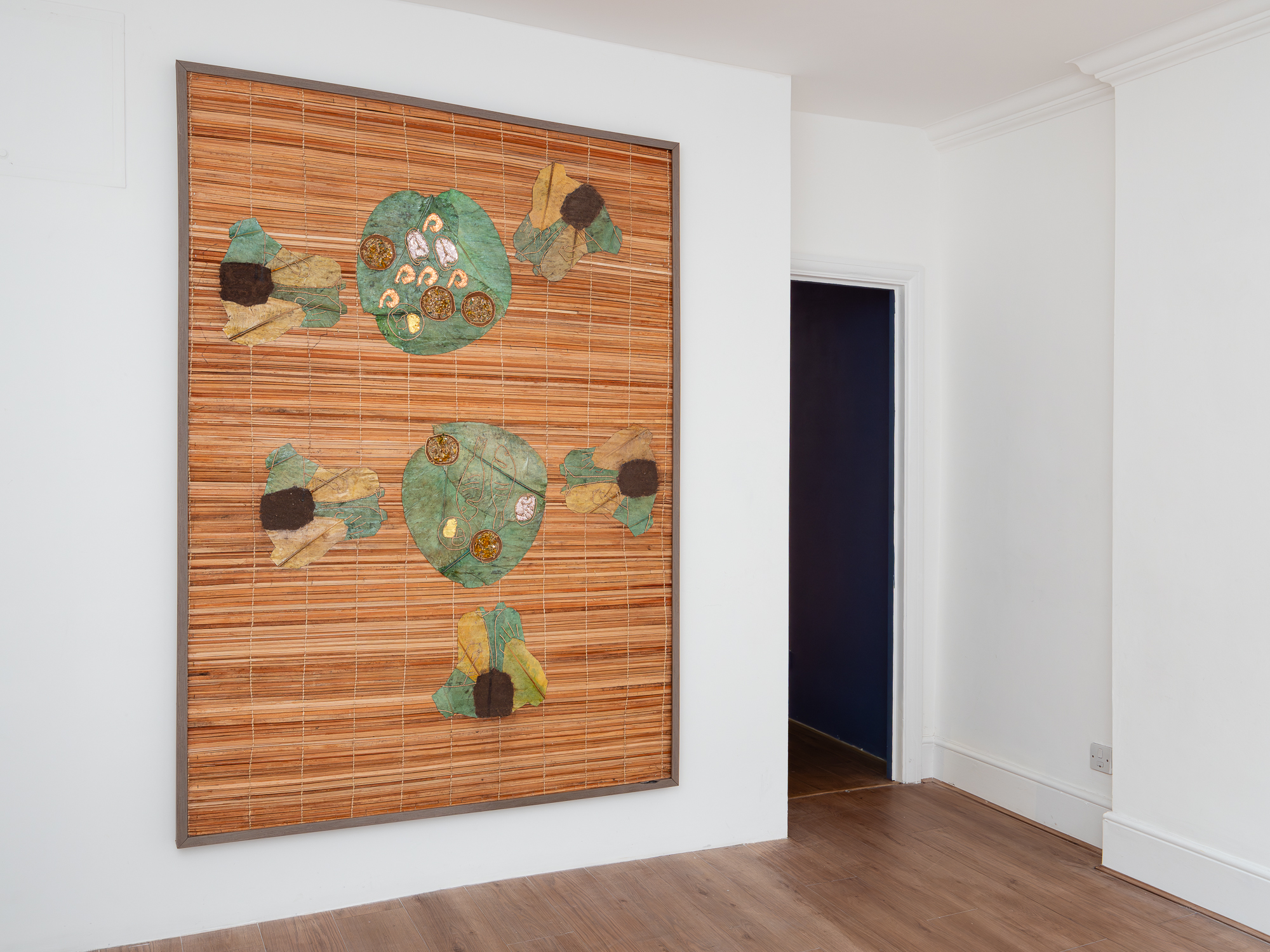
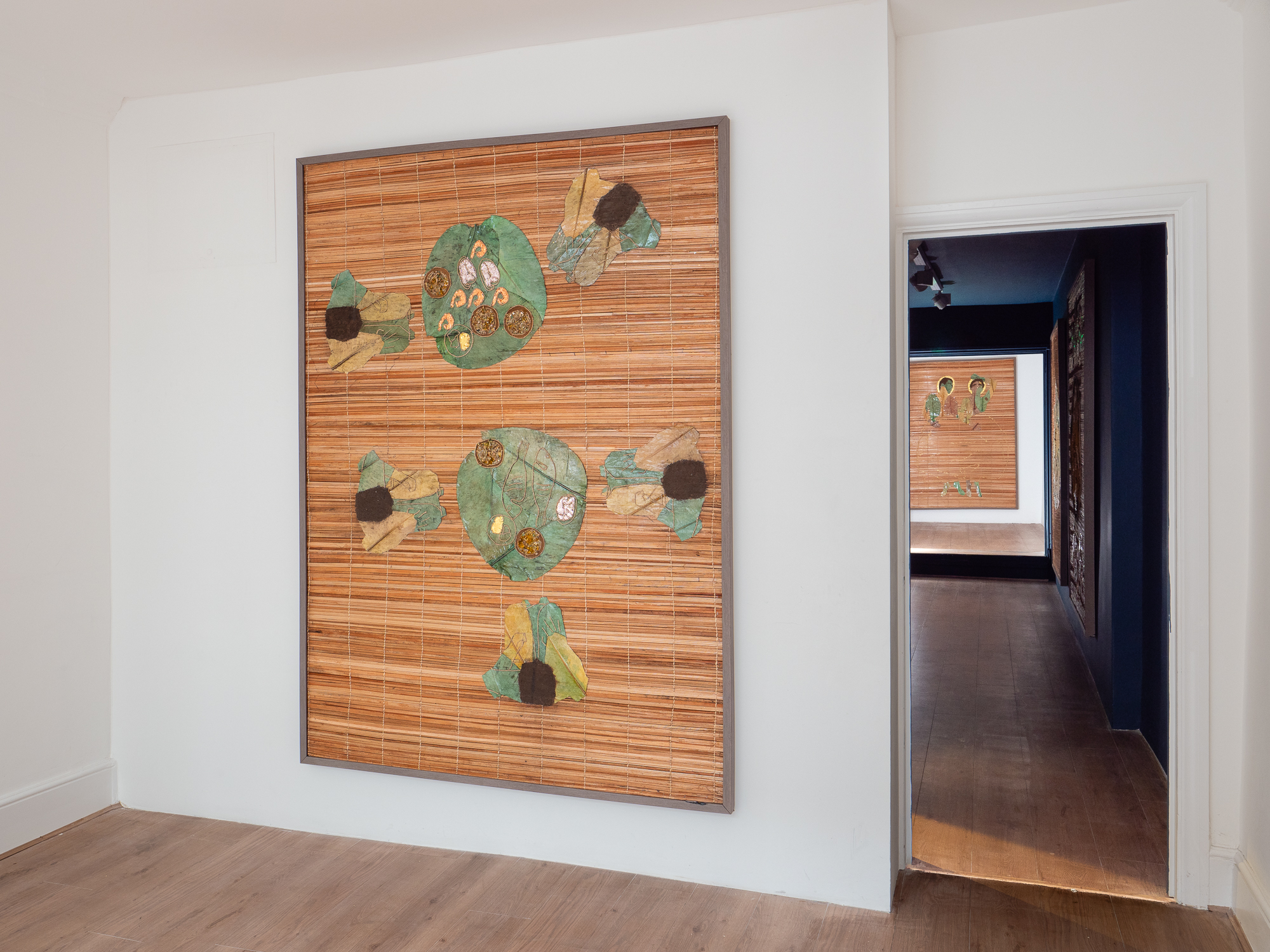
Sharing a meal is essential for one to connect with another human being. Aside from the physical act of eating together, there is the effect of community — talking about one's day, expressing one's agency, and building bonds that sustain us. In every race and culture, we are known to share meals and build community around food. When you look at the image, you can see figures seated on a mat with food served on leaves used as plates — one of the most pure acts of sustainability, practised from the dawn of humanity, using the environment itself for utensils. Ónje elevates this universal ritual to remind us that nourishment is not only of the body but of the spirit and the collective.
Philosophy of Form
Why Are the Figures Made of Leaves?
Every human figure in these works is rendered in the texture of leaves. This is not a stylistic choice — it is a philosophical one. We share a unified humanity because of our absolute dependence on ecology to survive. The impermanence of life is a by-product of sustainability — nothing in nature is permanent, and that impermanence is precisely what allows the cycle of life to continue.
The best representation of this truth is the leaf. A leaf is born green, full of chlorophyll and the energy of youth. It grows and matures into yellow, carrying the warmth of experience. It ages into brown, returning its nutrients to the soil from which it came. And from that soil, new life emerges. The cycle completes. The human characters in these works move through these same stages — we are all leaves on the same tree.
Why Five Pieces?
A Homage to Shared
Human Architecture
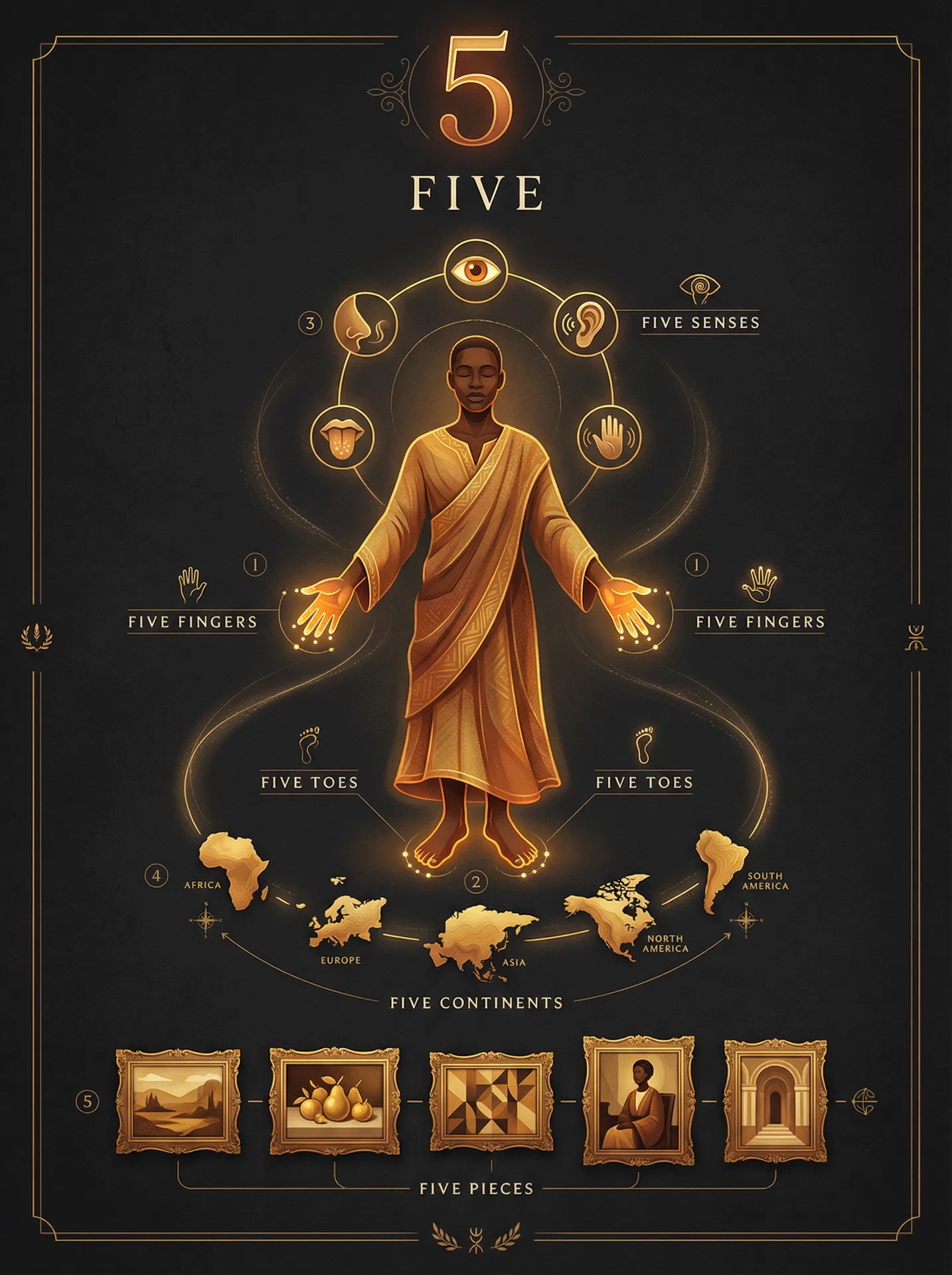
Each collection contains exactly five pieces — a deliberate reference and homage to all human beings and their shared association with the number five. Five fingers on each hand, five toes on each foot, five senses through which we experience the world, five continents across which we live.
The number five is a universal constant, a biological truth written into every human body regardless of race, culture, or geography. By producing five pieces for each subject matter, the work honours this shared architecture — each piece a finger on the same hand, a sense through which we perceive the same world.
The Journey Continues
The Similarities in Our
Perceived Differences
"Ọ̀rọ̀ Ẹni" is the first of several artistic essays exploring the universal threads that connect all human experience. Future collections will continue this exploration, each examining new facets of our shared existence through sustainable materials and Yoruba philosophy.